


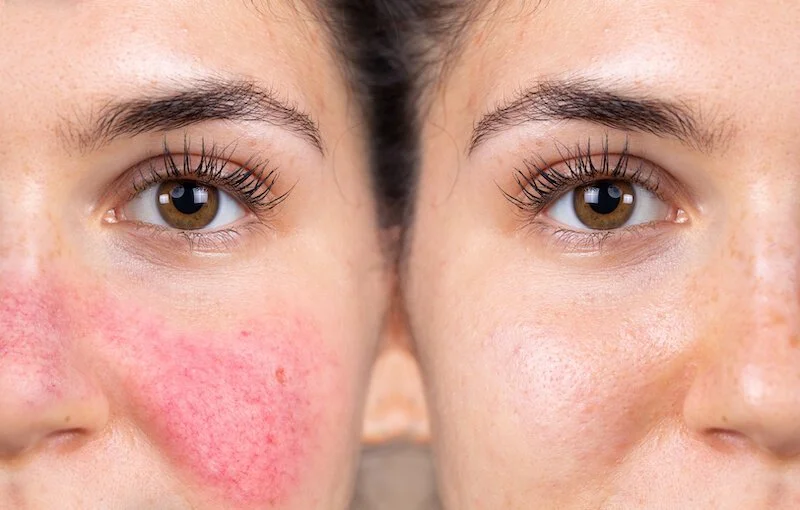
Your Guide on Understanding and Managing Rosacea
As April marks Rosacea Awareness Month, it is an opportune time to shed light on a prevalent skin condition that affects millions of individuals worldwide. Rosacea, while common, often goes undiagnosed, leaving many to navigate its challenges without proper understanding or management. This lack of awareness can significantly impact an individual’s self-esteem and overall quality of life. At Evolutionary Skin, we believe in empowering our community with the knowledge and solutions necessary to achieve healthy, comfortable skin.
What is Rosacea?
Rosacea is a common, chronic inflammatory skin condition characterized by periods of flare-ups and remissions. While the exact cause remains unknown, it typically affects the central areas of the face, including the cheeks, nose, chin, and forehead. Commonly observed symptoms of rosacea include:
- Frequent Facial Flushing that can get worse over time
- Small, visible blood vessels on the skin’s surface, known as telangiectasia or spider veins, particularly around the nose and cheeks
- The appearance of small, red, solid bumps (papules) and pus-filled pimples (pustules) is also characteristic of rosacea and can often lead to confusion with acne. A key distinguishing factor is that rosacea lesions typically do not present with blackheads (comedones), which are common in acne.
- Burning/Stinging Sensations and Skin Sensitivity
- Eye Issues (Ocular Rosacea) like dryness, grittiness, blurriness
- In Severe cases, thickening of the skin called Rhynophyma
To better understand the varying ways rosacea can manifest, the National Rosacea Society (NRS) has classified the condition into four main subtypes.

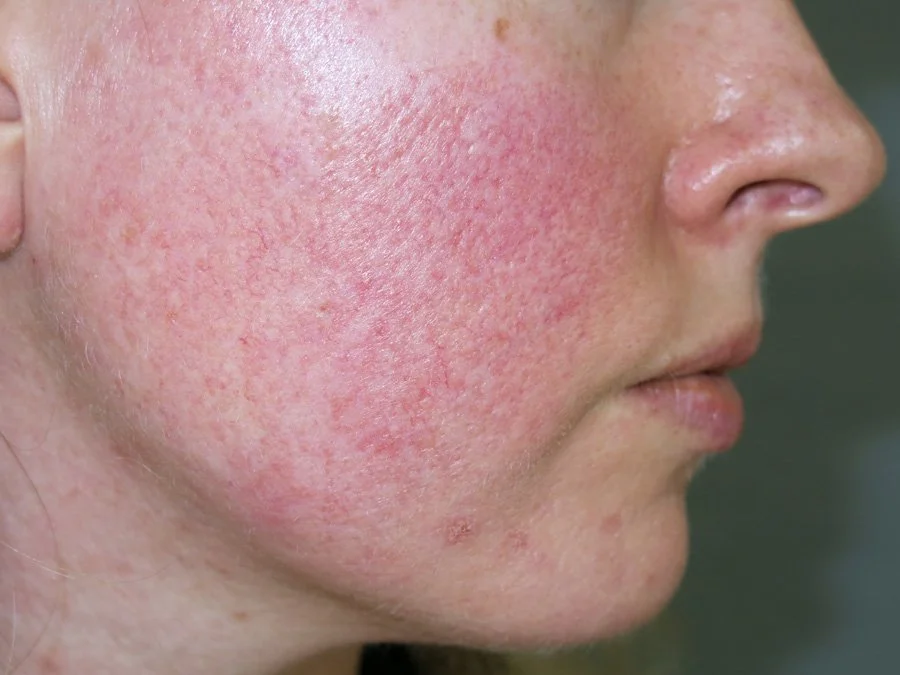

Papulopustular rosacea (Subtype 2)
Distinguished by persistent central facial redness accompanied by the eruption of transient, acne-like bumps (papules) and pus-filled pimples (pustules). Swelling (edema) in the affected areas may also be observed.


Finding Your Triggers
Since there is no cure for Rosacea, managing it is essential to control it – and the best way to do this is through prevention by knowing what triggers your flare ups. It’s important to recognize that these triggers can be highly individual, meaning that what causes a reaction in one person with rosacea may not affect another. Becoming attuned to your personal triggers is a significant step towards minimizing the frequency and severity of rosacea symptoms.
Pay Attention to How Your Skin Does After:
- Extreme Weather, like very cold, hot, or windy days
- Experiencing Stress and Anxiety
- Physical Exertion / Exercise
- Alcohol Consumption
- Spicy Foods
- Smoking
- Hot Baths/Showers
- Exposure to Fragrance/Essential Oils
If any of these activities lead to increases symptoms, it may be best to avoid them entirely or limit them. Given the personalized nature of rosacea triggers, it is highly recommended that individuals take an active role in identifying their own specific triggers by keeping a detailed rosacea diary. Tracking your daily activities, diet, the environment, and any subsequent skin reactions can provide valuable insights into what might be exacerbating your rosacea.

Essentials for Managing Rosacea at Home:
DMK Beta Gel
The Beta Gel from DMK contains Beta-Glucan, known for its ability to stimulate the skin’s immune and reparative functions, making it an excellent aid for red, inflamed, or irritated skin, including rosacea.
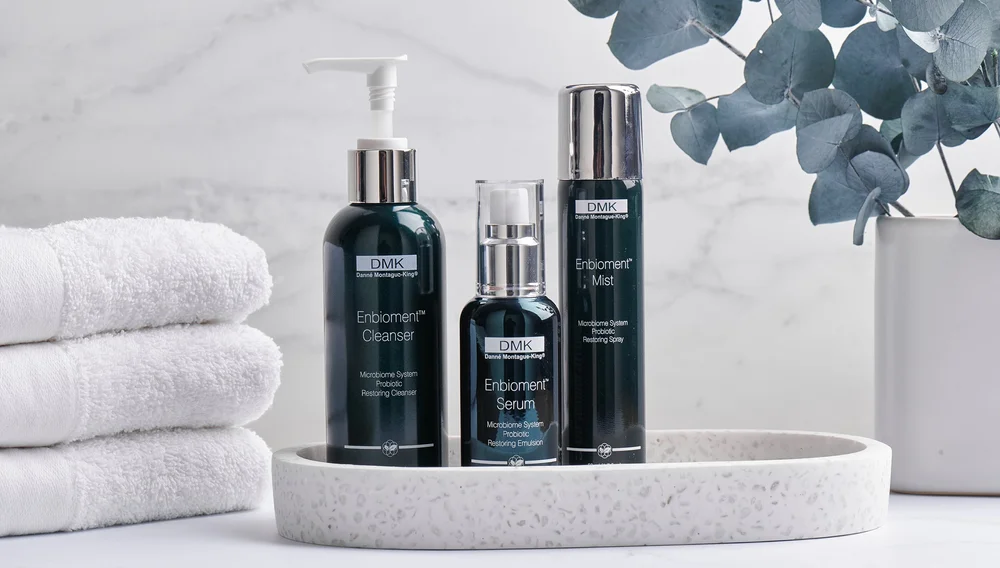


How Evolutionary Skin Can Help Manage Your Rosacea in Reseda and Virtually

Our Favorite Treatments for Rosacea:
- Customized Dmk Enzyme TherapyDMK Enzyme Therapy (Renew and Rebuild Treatments) is the main treatment focused in our Rosacea Bootcamp Program, as it helps to flush the skin on a cellular and vascular level, rebuilding the skin and blood vessels from the inside out. It can help to repair the skin’s functionality that can be lost after skin damage caused by Rosacea.
- Revise (DMK Alkaline Wash)
- Restore (BioRePeelCL3)
While a definitive cure for rosacea remains elusive, it is essential to remember that this is a highly manageable condition. By taking a proactive approach that includes understanding your individual triggers, implementing a consistent and gentle at-home skincare routine, and seeking guidance from experienced skincare professionals, you can achieve significant control over your rosacea symptoms and improve the health and appearance of your skin.
Reach out to us and find out how we can help you either in person, or virtually!